Branded Residences · Wellness Real Estate
When a Brand Becomes a Home
Branded Residences and the Next Frontier of Wellness Real Estate
Beatrix Nagy
International Wellness Real Estate Advisor
12 min read
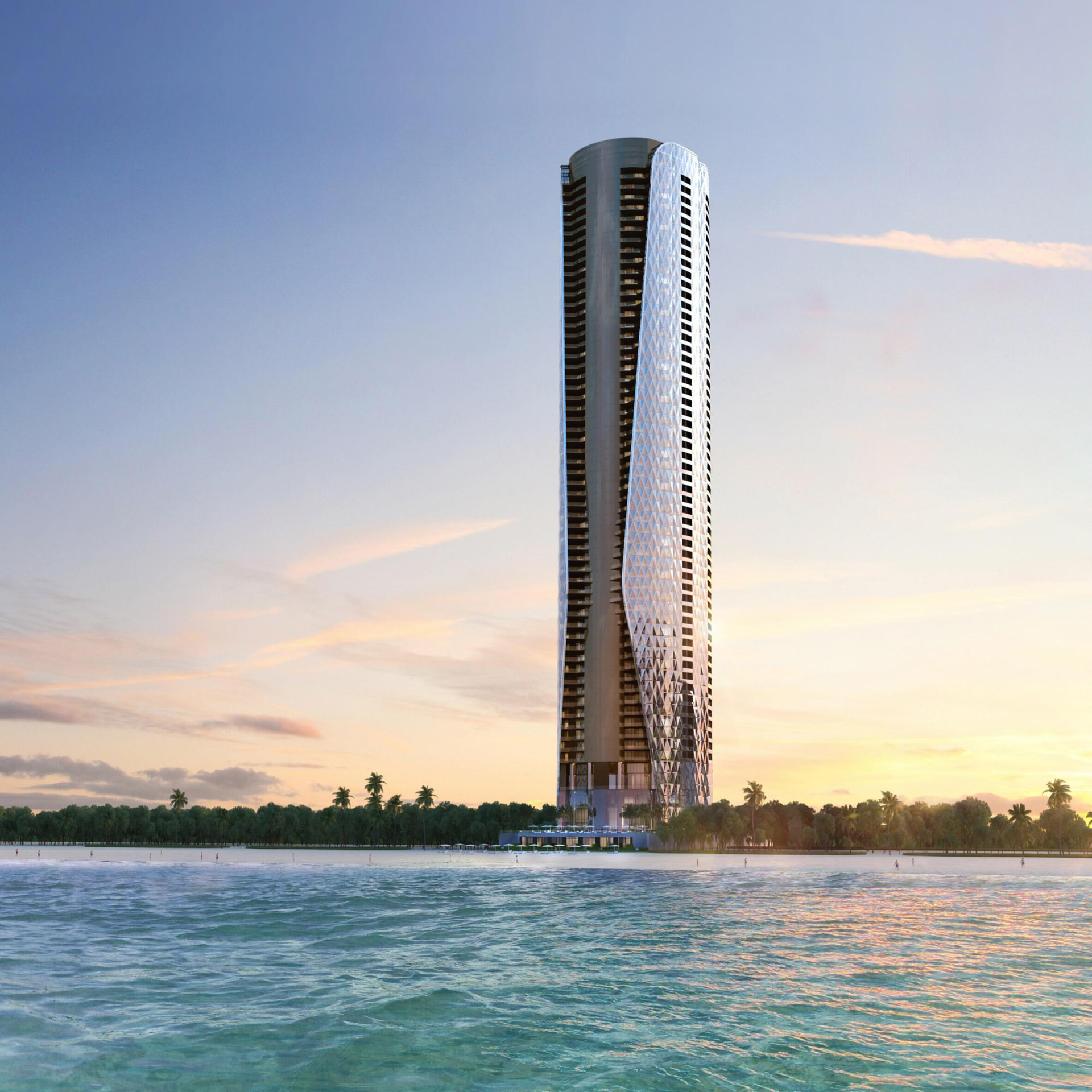
Luxury has always been about more than the object itself.
A great hotel is not simply a beautiful building. A performance car is not merely transportation. A fashion house does not sell fabric alone. The most powerful luxury brands create an entire world around their products — a combination of identity, emotion, expectation and experience.
Now, increasingly, that world has a front door.
Branded residences are bringing hospitality, real estate and luxury branding together in one of the fastest-evolving segments of the global prime property market. And as automotive, fashion, design and lifestyle brands join the hospitality companies that pioneered the category, something even more interesting is happening.
The home is becoming a new platform for the brand experience.
And I believe this has important implications for another market growing alongside it: wellness and longevity real estate.
What exactly is a branded residence?
At its simplest, a branded residence is a privately owned home developed in a formal relationship with an established brand.
Definition: private ownership, plus an established brand, plus design and standards, plus services and operations, together equal a branded residence.
It may be an apartment, penthouse, villa or townhouse. Unlike a hotel room or serviced apartment, the buyer normally owns the property itself. What differentiates it from conventional prime residential real estate is the layer added around that ownership: brand standards, design direction, services, management and, in many cases, an operating platform.
The brand may be a hotel operator such as Four Seasons, Ritz-Carlton, St. Regis, Mandarin Oriental, Aman or Six Senses.
Increasingly, however, it may come from outside traditional hospitality: Aston Martin, Bentley, Porsche Design, Bugatti, Pininfarina, Armani, Fendi, Elie Saab and other luxury names have entered the residential space.
Some residences sit above or alongside a hotel and share access to its restaurants, spa, housekeeping, room service, concierge and other infrastructure.
Others are completely standalone.
That distinction is becoming increasingly important.
A branded residence, therefore, is not simply a luxury apartment with a logo attached to it.
At its best, it is a long-term translation of a brand into architecture, interiors, service and daily life.
And the market is expanding rapidly.
From niche concept to global asset class
The idea of branded residential living has earlier precedents, including New York’s Sherry-Netherland, while the modern sector accelerated significantly through hospitality-led residential models and has expanded rapidly over the past two decades.
Knight Frank’s Global Branded Residence Survey 2026 assessed more than 200 brands across 90 countries, covering nearly 1,800 live and pipeline schemes.[5]
The number of completed schemes almost tripled from 354 in 2015 to 903 by the end of 2025.
Knight Frank expects the number of schemes to reach approximately 1,088 by the end of 2026 and approach 1,800 by 2031.[5]
Savills arrives at a similar picture using a different methodology. Its Branded Residences 2025/2026 report estimated 910 schemes globally by the end of 2025, representing 19% year-on-year growth.[6]
This is no longer a novelty confined to New York, London or a handful of five-star resorts.
Dubai has become one of the world’s major branded-residence hubs; Miami remains a powerful centre for hospitality, automotive and lifestyle brands; the Middle East is expanding rapidly; and markets across Asia Pacific, India, Europe and resort destinations are adding substantial new supply.
More importantly, branded residences are beginning to influence what buyers expect from luxury residential development generally — from service and amenity programming to wellness, community and placemaking.
The global expansion of branded living
From a specialist luxury niche to a rapidly expanding global residential category — completed schemes worldwide.
Why does the model work?
01 · For the buyer
- Trust
- Service
- Convenience
- Predictability
02 · For the developer
- Differentiation
- International reach
- Pre-sales
- Pricing power
03 · For the brand
- Brand extension
- New revenue potential
- Deeper customer relationship
- A place people inhabit
For the buyer, the value proposition is relatively intuitive.
International luxury-property ownership can be surprisingly inconvenient.
Security, maintenance, housekeeping, staffing and simply keeping a second or third home ready for arrival all require management.
A strong branded residence removes part of that friction.
The buyer is purchasing not only square metres, architecture and location, but predictability: a recognised level of design, service, maintenance and management attached to an internationally understood name.
For globally mobile owners, that trust has tangible value.
And buyers are demonstrably prepared to pay for it.
Research cited by EHL, based on Savills data, places the global average price premium for branded residences at approximately 33% over comparable unbranded properties, although the figure varies significantly by market and type of destination.[3]
But the premium becomes much more meaningful when the brand is genuinely embedded in the residential experience rather than functioning primarily as a name or licence.
For developers, branding can improve differentiation, international visibility and sales velocity. Strong pre-sales can also support project economics and reduce development risk.
For the brand, the logic is different again.
Real estate allows a luxury company to move from something a customer visits, wears or drives into something they literally inhabit.
It is perhaps the ultimate expression of brand extension.
Two very different roads into the home
This is where branded residences become particularly interesting.
The sector increasingly contains two very different types of brand.
Hospitality brands begin with operation.
Companies such as Four Seasons, Ritz-Carlton, Mandarin Oriental, Rosewood, Aman or Six Senses have spent decades developing the invisible machinery behind luxury.
They understand staffing. Service protocols. Housekeeping. Food and beverage. Guest recognition. Maintenance. Wellness programming. Concierge. Back-of-house operations. And the thousands of small interactions required to make an environment feel effortless.
That operational capability is extremely difficult to replicate.
Hospitality-led residences can therefore draw on existing expertise and infrastructure in areas ranging from service and food and beverage to wellness and residential management.
Non-hospitality brands begin somewhere else.
Aston Martin understands performance, engineering, craftsmanship and desire.
Bentley has an extraordinary vocabulary around materiality, bespoke craftsmanship and automotive luxury.
Armani brings an unmistakable aesthetic discipline.
Pininfarina has design and engineering embedded deeply in its DNA.
Fashion, automotive, jewellery and design brands can bring something incredibly powerful to residential development: a highly distinctive identity.
And buyers clearly respond to it.
Knight Frank’s 2026 research shows that hotel brands still account for around 70% of operational branded residence schemes globally. However, their share falls to around 60% when pipeline projects are included. The non-hotel share of supply is projected to increase from around 30% in 2025 to almost 40% by 2028.[5]
That shift opens up an important question.
Once a brand has translated its visual identity into a building, what comes next?
Two roads into branded living
Hospitality DNA
Four Seasons
Aman
Six Senses
Mandarin Oriental
Ritz-Carlton
Rosewood
St. Regis
Operations · Service · Wellness · Guest experience
Non-hospitality DNA
Aston Martin
Bentley
Porsche Design
Armani
Fendi
Pininfarina
Bugatti
Identity · Design · Craftsmanship · Performance
Service · Design · Wellness · Technology · Experience
The next challenge is turning brand promise into everyday living.
The brand mix is changing
2025 · Non-hotel share
~30%
2028 · Non-hotel share · Projected
≈40%
Hotel brands remain the backbone of the sector, but automotive, fashion, design and lifestyle brands are gaining ground.
The difference between brand design and branded living
This, to me, is one of the most important questions facing the sector.
A branded residence can easily succeed at the visible layer.
The lobby can feel like the brand. Materials can reference the product. Furniture can be bespoke. Architecture can borrow curves, colours, patterns and details from an automotive or fashion design language.
“People do not experience their homes primarily through a lobby.”
They experience them at 6:30 in the morning. While sleeping. Working. Cooking. Training. Recovering. Hosting family. Dealing with jet lag. Managing stress. Getting older. Living there for ten, twenty or thirty years.
The deeper opportunity is therefore not merely to translate a brand into interiors.
It is to translate its values into everyday human experience.
Aston Martin: from design language to daily experience
Aston Martin Residences Miami provides an interesting example of how far a non-hospitality brand can extend beyond decorative branding.
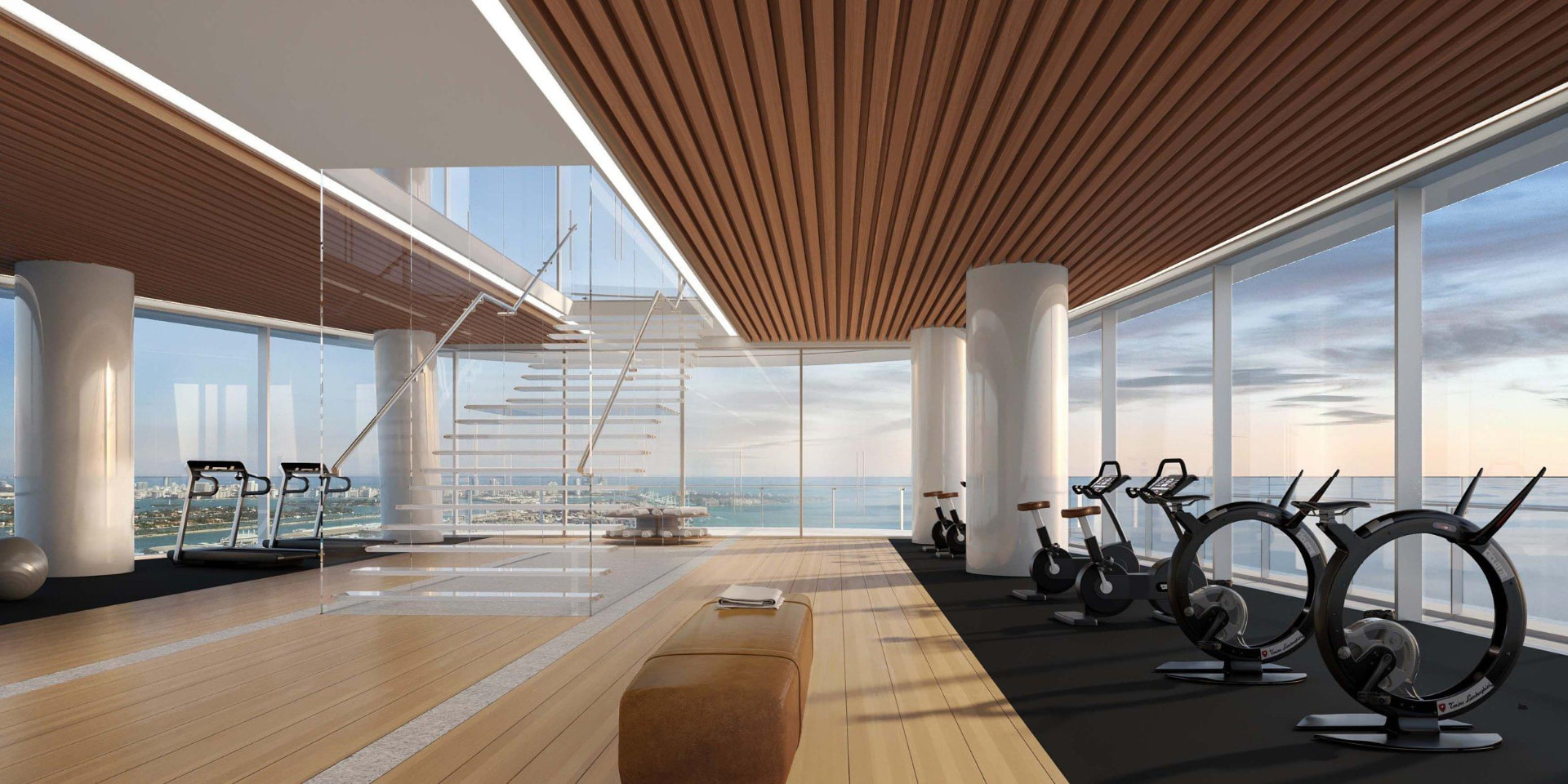
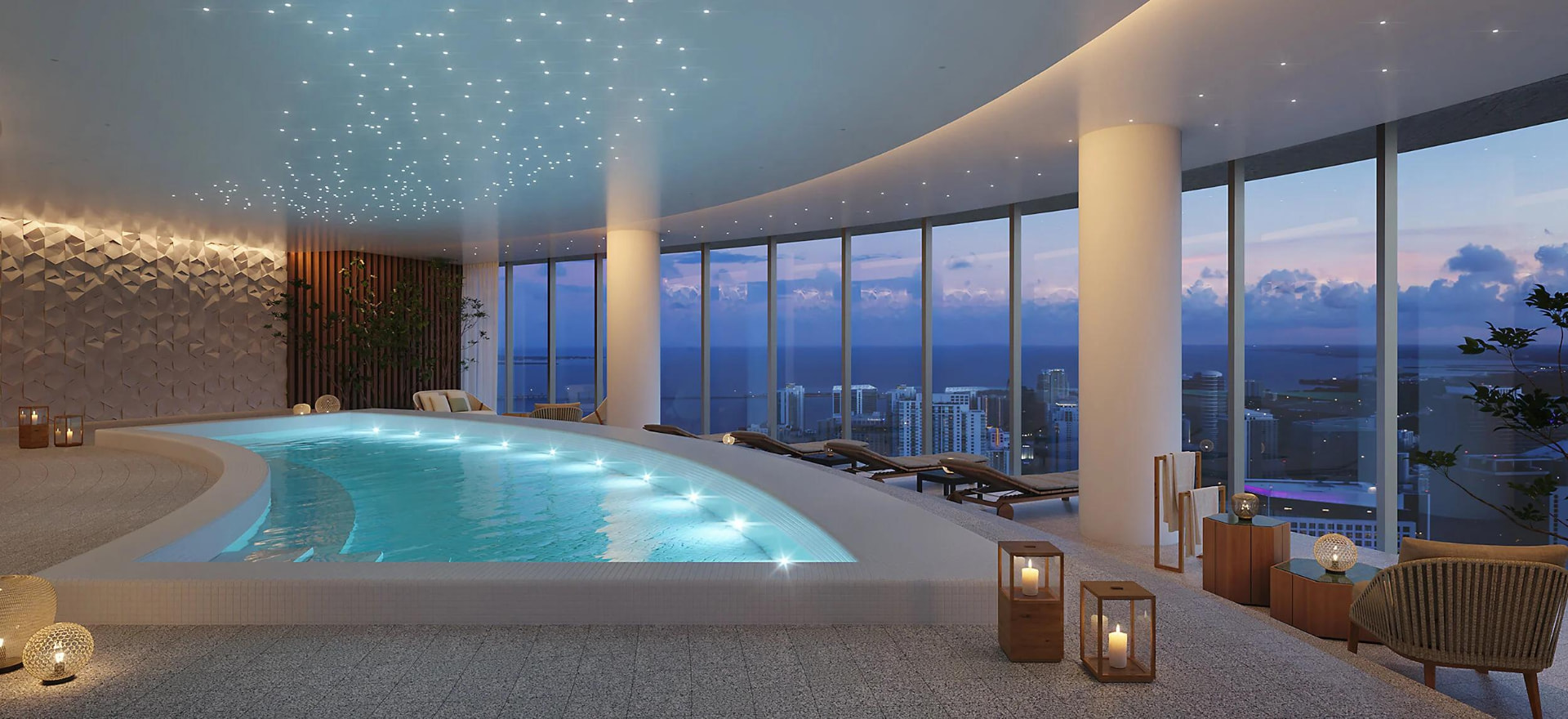
The completed Miami development incorporates 42,275 square feet of Sky Amenities across four full levels.[7]
The programme includes a two-level fitness centre, spa and treatment spaces, meditation room, pool, beauty facilities, cinema, business facilities, social spaces and other resident amenities.
Aston Martin’s design team was deeply involved in the project’s residential and shared environments.
That is substantially more sophisticated than simply putting a car brand’s name on a tower.
But across the non-hotel segment as a whole, I believe the next competitive frontier lies deeper still.
Not more amenities. Better living systems.
Wellness is moving from the spa into the building
For many years, wellness in luxury property was essentially an amenity strategy.
Add a gym. Add a spa. Perhaps a sauna, treatment room and yoga studio.
That definition is becoming outdated.
Knight Frank’s 2026 Residence Report describes an important evolution: wellness is migrating from amenity to infrastructure.[5]
The latest generation of residential development is increasingly exploring functional medicine, longevity, nutrition, biophilic design, community and health-oriented environments as part of the residential proposition.
That distinction matters enormously.
“A spa is somewhere you go. Wellness real estate asks what the building itself is doing during the other 23 hours of the day.”
What is the quality of the air? What water are residents drinking and bathing in? How does artificial light interact with circadian rhythm? How well does the building manage noise? Can bedrooms genuinely support sleep? Are thermal environments controllable? Does the layout encourage movement? Is nature integrated meaningfully or merely decoratively? Are recovery, training and nutrition part of everyday life? Can technology support residents without making the home feel like a laboratory? Can wellness services evolve with the owner over decades rather than becoming obsolete after handover?
These questions move wellness from the amenities brochure into architecture, engineering, operations and service design.
And several hospitality and wellness brands are already heading in this direction.
From amenity to infrastructure
Traditional wellness amenities
Gym
Spa
Sauna
Pool
Wellness as residential infrastructure
- Air
- Water
- Light
- Acoustics
- Sleep
- Thermal comfort
- Movement
- Nutrition
- Biophilia
- Recovery
- Smart technology
The building becomes part of the health system.
When wellness becomes the brand itself
Six Senses offers one of the clearest examples.
At Six Senses Residences Dubai Marina, wellness and biophilic principles are being integrated into the project from the ground up.
The development includes approximately 61,250 square feet of wellness-focused amenities distributed across four distinct levels — Connectivity, Balance, Longevity and Horizon.[8]
The programme extends far beyond the conventional residential gym and spa, with plans including longevity-oriented services, cryotherapy, hyperbaric oxygen, hydrotherapy, movement, recovery and other wellness infrastructure.
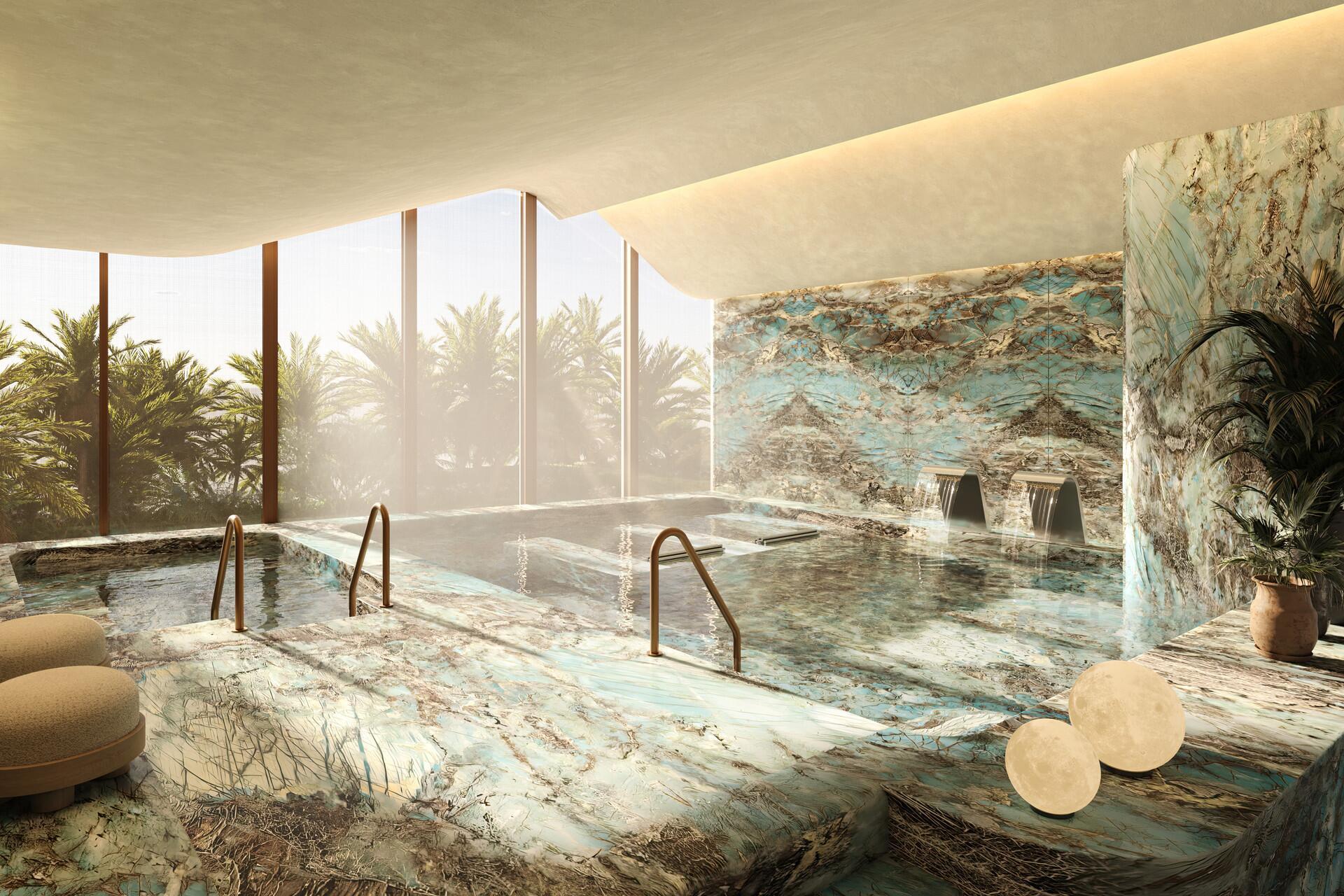
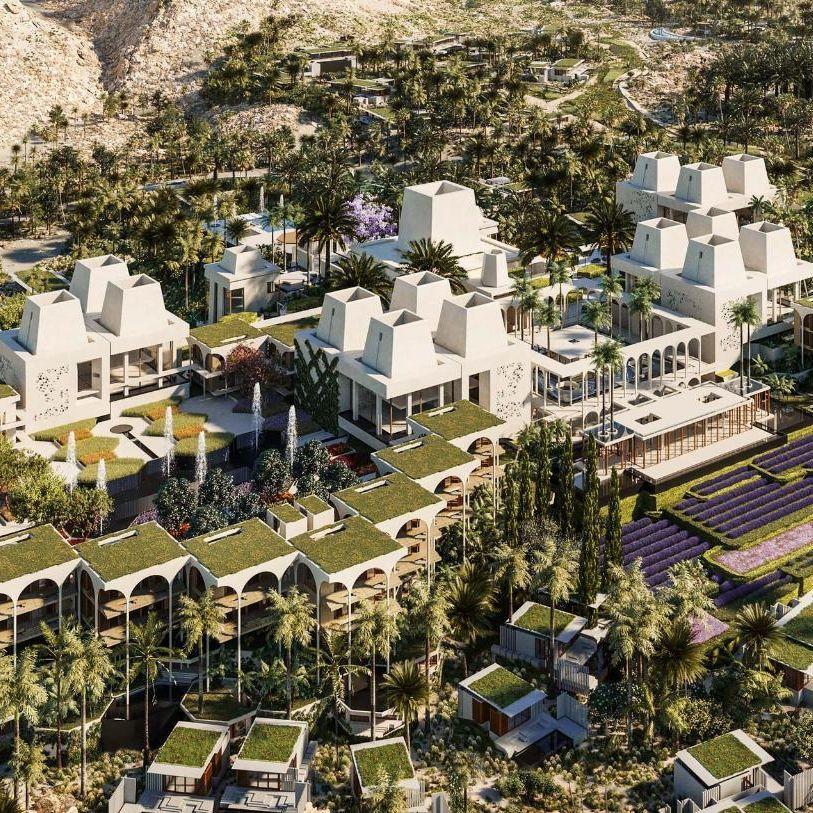
Clinique La Prairie is taking the idea even further at AMAALA on Saudi Arabia’s Red Sea coast.
The Swiss longevity brand’s residential offering includes 13 homes connected to its wider health and longevity ecosystem, giving residents access to medical-grade wellness and almost a century of expertise in longevity, nutrition and holistic care.[9]
These are not simply properties with impressive spas.
Health is becoming part of the product architecture.
That is a much more significant development.
And this is where non-hotel brands have an extraordinary opportunity
I do not see the operational advantage of hospitality brands as a reason why automotive, fashion or design brands should stay away from residential real estate.
Quite the opposite.
Their entry makes the category far more interesting.
But it changes the development brief.
A performance automotive brand, for example, could interpret wellness very differently from a traditional spa resort.
Its residential wellness concept could revolve around human performance: sleep quality, recovery, movement, precision nutrition, acoustic comfort, advanced air and water systems, intelligent lighting, environmental data and seamless technology.
A fashion or design house might interpret it through material health, sensory experience, craftsmanship, light, tactility, beauty and biophilic design.
A technology brand could explore adaptive environments and invisible building intelligence.
Conceptual framework: three brand origins — automotive (performance, precision, engineering), fashion and design (materiality, sensory experience, craftsmanship) and technology (intelligence, adaptation, data) — each translate into residential wellness: sleep, recovery, air, water, light, movement, acoustics, thermal comfort and smart technology. Together these lead to a distinct way of living. Wellness should not dilute the brand; it should translate the brand into human experience.
The point is not for every brand to imitate Six Senses.
The point is to define what healthy living means through that brand’s own DNA.
That is where branded residences can move from a collection of recognisable luxury features into something far harder to reproduce.
Because another infinity pool can be copied. Another marble lobby can be copied. Another beautifully equipped fitness room can be copied.
A coherent living philosophy is much harder to copy.
The rise of standalone residences makes this even more important
There is another structural shift supporting this argument.
Historically, branded residences often sat within or next to hotels. The hotel effectively supplied the operating infrastructure.
But increasingly, even hospitality brands are developing standalone residences.
For buyers, these projects can offer greater privacy, resident-only amenities and a clearer residential identity.
For developers and brands, however, standalone residences create another challenge: the hotel building itself may be optional, while hospitality thinking is not.
Whether the name over the entrance belongs to a hotel company, a car manufacturer or a fashion house, someone still needs to design the residential experience behind it.
Someone has to decide what happens after the architects leave and the sales gallery closes.
A branded residence should deliver more than branded real estate
This is ultimately where I believe the next generation of the sector will be won or lost.
Brand equity may bring the buyer through the door. Architecture creates desire. Service creates ease.
But the strongest future projects will connect all of those things into an environment that genuinely supports the person living inside it.
The most interesting question is therefore no longer: how do we put this brand into real estate?
“How should somebody live differently because this brand created their home?”
For hospitality companies with established wellness ecosystems, part of that answer already exists.
For automotive, fashion, design and other non-hospitality brands, the canvas is arguably even larger.
They have an opportunity to build a new residential language around performance, longevity, health, recovery, technology and human experience — rather than simply adopting the traditional amenity checklist of luxury property.
And that is precisely why I find branded residences so compelling.
They sit at the intersection of the areas I increasingly believe will define the next generation of prime real estate: international luxury property, hospitality thinking, wellness and longevity, intelligent technology, and a much deeper understanding of how the built environment affects the people inside it.
The branded residence of the future should not simply carry a powerful name.
It should make that name meaningful in the way its residents live every day.
And for the brands willing to think that deeply, the home may become one of the most powerful expressions of their identity yet.
Sources & further reading
- [1]Branded Living — What Are Branded Residences?
- [2]Abode2 — What Is a Branded Residence? Abode2 Explores the Real Estate Phenomenon
- [3]EHL Hospitality Insights — What are Branded Residences, and Why are They Becoming Popular Among Developers?Published 2025. Global average branded residence premium of approximately 33%, based on Savills data.
- [4]Icon Partners — What Are Branded Residences? The Definitive Guide
- [5]Knight Frank — The Residence Report 2026/27 · Global Branded Residence Survey 2026Nearly 1,800 live and pipeline schemes across 90 countries; 354 schemes in 2015; 903 at the end of 2025; approximately 1,088 expected by the end of 2026; approaching 1,800 projected by 2031; hotel brands around 70% of operational schemes; non-hotel share around 30% in 2025, projected to approach 40% by 2028; wellness moving from amenity to infrastructure.
- [6]Savills — Branded Residences Annual Report 2025/2026Approximately 910 schemes by the end of 2025; 19% year-on-year growth.
- [7]Aston Martin — Aston Martin Residences Miami — official project information42,275 sq ft of Sky Amenities across four full levels.
- [8]Six Senses — Six Senses Residences Dubai Marina — official project informationApproximately 61,250 sq ft of wellness-focused amenities across the Connectivity, Balance, Longevity and Horizon levels.
- [9]Clinique La Prairie / Red Sea Global — Clinique La Prairie at AMAALA — official project information13 residences connected to the Health Resort and longevity ecosystem.
- [10]Bentley Motors — Bentley Residences Miami — official project information
Market data referenced from the publications above. Project renderings are the property of their respective projects and are shown for editorial illustration only; this article implies no partnership or affiliation with the brands mentioned. It reflects my independent professional view.
For brands · Developers · Investors
Where branded living goes next
I work at the intersection of international luxury real estate, wellness, longevity and intelligent building concepts. For brands, developers and investors exploring how these principles can translate into distinctive residential environments, I welcome conversations around new concepts, developments and strategic collaborations.
Mallorca · International
Related insights
Partnership · October 2026